



New PM’s Visits Reveal Iraq’s U.S.-Iran Balancing Act
2026-07-232997 view
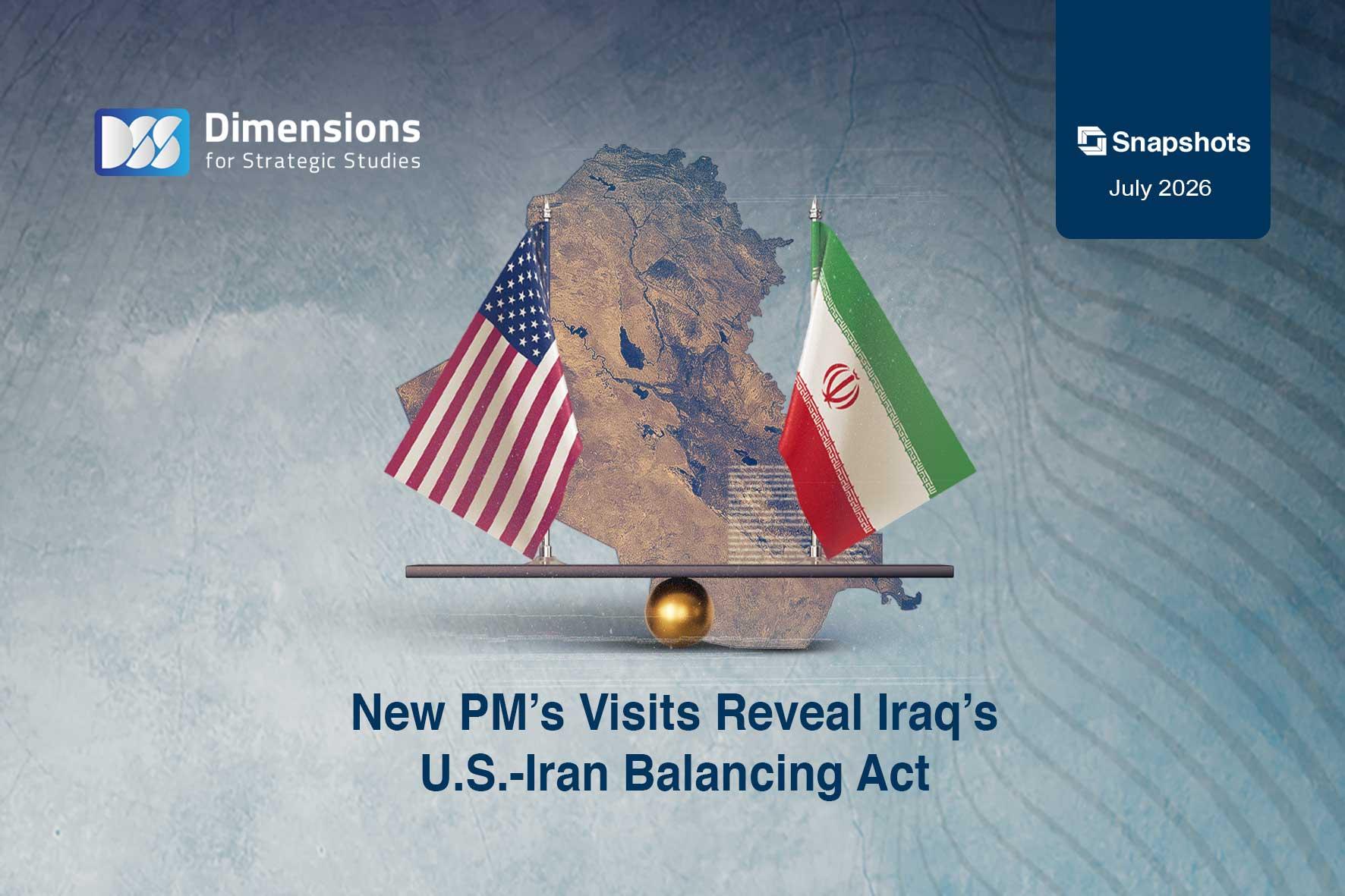
Iraqi Prime Minister Ali al-Zaidi’s visits to Washington on July 14 and Tehran later in the month reflect Baghdad’s efforts to solidify a policy of balance in managing its own relations with each of the bitter rivals, currently engaged in a war that has starkly underlined how their interests intersect directly in Iraq.
The sequencing of the two visits is loaded with political significance, reflecting the Iraqi government’s recognition of the importance of maintaining historical, religious, and economic ties with Iran—while simultaneously relying on the U.S. for security, investment, and economic support. This dynamic means that fully aligning with either side would be a high-cost option for Baghdad.
Al-Zaidi’s Washington visit yielded tangible results, including the signing of 48 agreements valued at over $60 billion, primarily focused on the energy, healthcare, and technology sectors. The discussions also addressed strategic issues, such as increasing Iraqi oil production and developing alternative export routes to mitigate the impact of disruptions in the Strait of Hormuz, alongside exploring cooperation mechanisms regarding energy and “oil-for-services” arrangements.
By strengthening its economic partnerships with the U.S. and seeking to develop alternative energy export routes, including through Türkiye or Syria, Baghdad is attempting to reduce the economic vulnerability stemming from its reliance on export routes subject to Iranian influence, and to expand its room for maneuver in the face of external pressures. Al-Zaidi’s visit also indicates the existence of security understandings over key issues, most notably imposing a state monopoly on the possession of weapons—a long-standing U.S. demand.
Conversely, the Iraqi premier’s upcoming visit to Tehran is part of an effort to maintain channels of cooperation with Iraq’s eastern neighbor—particularly regarding energy, border security (notably concerning the Kurdistan Region), and trade. This takes into account Iraq’s heavy reliance on Iranian gas and electricity imports, meaning its relationship with Tehran has direct implications for its domestic economic stability and the provision of public services.
Al-Zaidi’s approach centers on managing the divergences between Washington and Tehran by framing cooperation with the U.S. as a key to Iraq’s economic and security needs—rather than an act of alignment hostile to Iran—while simultaneously reassuring Washington that maintaining ties with Tehran does not mean Iraq is abandoning its national interests or forfeiting its decision-making autonomy.
Scheduling the visit to Tehran soon after the trip to Washington enables the Iraqi government to project an image of a state striving to maintain multiple lines of communication amidst escalating regional tensions. However, this approach faces genuine challenges: the ongoing U.S.-Iran rivalry could prompt both sides to pressure Baghdad to adopt specific political stances or alignments.
Ultimately, the success of this approach hinges on Iraq’s domestic landscape, in which the Prime Minister continues to grapple with constraints arising from conflicting political interests, the influence of armed factions, economic dependency, and the existence of multiple decision-making centers.
Furthermore, implementing commitments to consolidate arms under state control may face resistance from factions within the Popular Mobilization Forces (PMF). Meanwhile, corruption and the intertwining of political and economic interests pose additional challenges to building more effective institutions. Patronage networks linked to certain political and economic forces are slowing the implementation of the government’s anti-graft campaign. Additionally, the continued linkage of certain resources and decisions to factional interests is undermining Al-Zaidi’s ability to achieve greater independence in managing security and economic portfolios.
Consequently, the future of Iraqi foreign policy will be determined not only by the government’s ability to manage its foreign relations, but also by its capacity to strengthen state institutions, curb the influence of domestic actors operating outside official frameworks, and translate engagement toward international and regional powers into tangible domestic gains. Should Baghdad succeed in this, it will be able to expand its margin of political autonomy. Failure, however, could drag it back into a cycle of domestic pressure and polarization.


